A vase is often seen as a simple decorative object, but its design involves more than shape alone. Surface texture, material selection, and structural details all influence how the final piece looks and feels.
With the development of FDM 3D printing, designers have greater freedom to experiment with complex geometries, customized structures, and different material finishes. PETG-CF filament brings another possibility to this process by combining the properties of PETG with the distinctive appearance and added stiffness of carbon fiber reinforcement.
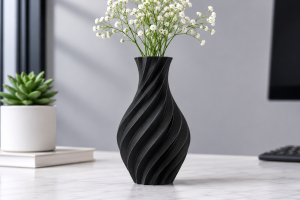
Our latest PETG-CF 3D printed vase explores this combination, demonstrating how PETG-CF can transform a familiar decorative object into a design piece with a more technical and contemporary character.
Beyond Shape: Why Material Matters in 3D Printed Design?
In traditional product design, appearance is often achieved through coatings, surface treatments, or decorative patterns. In FDM 3D printing, however, the material itself can become an important part of the finished appearance.
 The choice of filament influences not only how an object performs but also how its surface looks. Different materials produce different textures, levels of gloss, and visual effects.
For this vase, PETG-CF was selected to create a more understated and industrial-inspired appearance.
Rather than adding complicated decorative elements, the design allows the material’s natural surface characteristics and the visible FDM layer structure to contribute to the overall aesthetic.
This approach creates a balance between a clean silhouette and a distinctive surface finish. It also highlights one of the advantages of 3D printing: the ability to combine material characteristics with customized product design.
What Makes PETG-CF Different from Standard PETG?
PETG-CF is a carbon fiber-reinforced PETG filament made by incorporating chopped carbon fibers into a PETG polymer matrix.
Compared with standard PETG, this material offers a different combination of mechanical and visual characteristics.
| Enhanced stiffness | Distinctive surface appearance | Balanced material characteristics | Dimensional stability |
Together, these characteristics make PETG-CF an interesting option for projects that require both a distinctive appearance and practical material performance.
A Closer Look at the PETG-CF 3D Printed Vase
The vase demonstrates how material selection can influence the identity of a finished product.
Its overall design focuses on form and surface rather than excessive decoration. The carbon fiber-reinforced material creates a distinctive visual effect, while the FDM printing process introduces subtle layer patterns that add another level of detail.
The result is a modern decorative object with an industrial-inspired aesthetic.
Surface texture and visual depth
Unlike a conventional glossy plastic finish, PETG-CF can create a more subdued appearance with visible material texture. This gives the vase a distinctive character, especially when viewed under different lighting conditions.
Geometric freedom
FDM 3D printing makes it possible to explore curved profiles, tapered bodies, customized openings, and other geometric features without requiring traditional molds.
Designers can adjust the shape, dimensions, and wall structure according to different decorative styles and intended uses.
Customization potential
The vase can be adapted into different sizes, shapes, and surface patterns. This makes PETG-CF suitable for personalized home accessories, display pieces, and small-batch decorative products.
More importantly, this project demonstrates that carbon fiber-reinforced filament is not limited to mechanical or industrial components. It can also contribute to creative product design.
Important Considerations When 3D Printing with PETG-CF
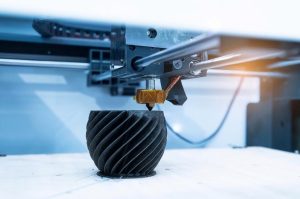
Achieving a consistent surface finish with PETG-CF requires more than selecting the right model. Material preparation, printer configuration, and structural design all influence the final result.
Nozzle selection
Carbon fiber is abrasive and can accelerate nozzle wear. A hardened steel nozzle or another wear-resistant nozzle is recommended when printing PETG-CF. Nozzle diameter should also be selected according to the filament manufacturer’s recommendations.
Filament drying
Moisture can lead to inconsistent extrusion, surface imperfections, and reduced print quality. Keep PETG-CF filament properly sealed and dry it according to the manufacturer’s recommended temperature and duration before printing when necessary.
Temperature and cooling
Nozzle temperature, bed temperature, printing speed, and cooling settings influence extrusion stability and layer bonding. Start with the recommended printing parameters for the specific PETG-CF formulation, then adjust them based on the printer and model geometry.
Wall thickness and structural design
For vase models, wall thickness and layer bonding directly influence the finished object’s stability. The appropriate settings depend on the intended dimensions and whether the vase is designed primarily for decoration or functional use.
A well-balanced combination of material settings and model design helps achieve a more consistent result.
Where Else Can PETG-CF Be Used?
The potential of PETG-CF extends well beyond decorative vases.
Its combination of stiffness, PETG-based material characteristics, and distinctive surface appearance makes it suitable for a variety of FDM printing projects.
Potential applications include:
| Functional prototypes | Product housings, concept models, and component prototypes. |
| Mechanical accessories | Fixtures, brackets, holders, and equipment accessories. |
| Desktop products | Organizers, stands, customized holders, and other everyday accessories. |
| Decorative products | Vases, sculptures, display models, and customized home accessories. |
| Customized components | Small-batch parts that require specific geometries and material characteristics. |
The suitability of PETG-CF for each application depends on the required mechanical performance, operating environment, part geometry, and printing conditions.
For designers and manufacturers, exploring these applications can help unlock more value from carbon fiber-reinforced 3D printing materials.
Turning Material Innovation into Practical Applications
A successful 3D printing material should offer more than a list of technical specifications. Its value is also reflected in the products and applications that users can create with it.
This PETG-CF vase is a simple example of how material development and product design can work together. The carbon fiber reinforcement contributes to the material’s stiffness and surface character, while FDM technology provides the flexibility to explore different shapes and customized designs.
As a 3D printing material manufacturer, we continue to explore the possibilities of carbon fiber-reinforced filaments through real printing applications.
From decorative objects to functional prototypes, PETG-CF offers designers and makers another material option for bringing creative ideas into reality.
The future of 3D printing is not only about what materials can do, but also about what people can create with them.